 classics
 Horror
 literary fiction


📝 First Impressions
Franz Kafka’s Metamorphosis and Other Stories is the kind of book that appears deceptively simple at first. The sentences are often clear, the situations are presented with an almost calm precision, and the stories rarely explain themselves directly. Yet beneath that controlled surface is a world filled with anxiety, isolation, shame, absurdity, and quiet terror.
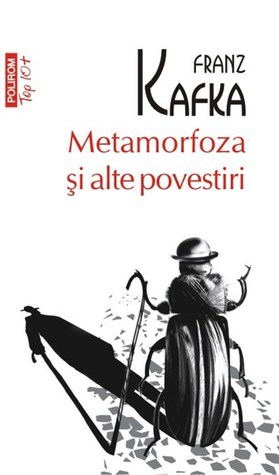
The central story, The Metamorphosis, begins with one of the most unforgettable transformations in literature: Gregor Samsa wakes up to discover that he has become a gigantic insect. Kafka does not treat this transformation like a dramatic supernatural event. There is no grand explanation, no magical system, and no attempt to make the impossible feel comfortable. Gregor’s first concern is still work. He worries about missing the train, disappointing his employer, and failing his family.
That contrast immediately establishes Kafka’s unique power. The unbelievable becomes ordinary, while ordinary life becomes horrifying. A job, a bedroom, a family breakfast, or a locked door can feel more threatening than any traditional monster.
Reading this collection feels like stepping into a dream that follows its own terrible logic. Everything is recognisable, but nothing is safe.
💜 What I Loved
What impressed me most was Kafka’s ability to create horror without depending on constant action. His stories are not frightening because something is always happening. They are frightening because the characters are trapped inside situations they cannot fully understand or escape.
Gregor’s transformation is physically grotesque, but the deeper horror lies in the way his family gradually changes its attitude towards him. At first, there is shock and confusion. Then come fear, inconvenience, embarrassment, and resentment. Gregor’s value becomes connected to what he can provide. Once he can no longer work, earn money, or fulfil his family role, his identity begins to disappear in their eyes.
This idea is devastating because it is so human. Kafka asks what remains of a person when usefulness, productivity, and social acceptance are taken away. Gregor is still emotionally aware. He still loves his family. He still remembers music, responsibility, and affection. But the people around him increasingly see only a problem that needs to be contained.
The collection is especially powerful in the way it explores alienation. Kafka’s characters are often surrounded by people, institutions, rules, and expectations, yet they remain profoundly alone. They cannot communicate what they are experiencing, or nobody is willing to listen. Even when they speak, their words rarely create genuine understanding.
I also loved Kafka’s writing style. It is precise, restrained, and strangely elegant. The prose does not shout. It observes. That makes the unsettling moments even stronger. The calm tone creates the impression that the characters are being crushed by a system that considers their suffering completely normal.
The additional stories expand this atmosphere in different directions. Some focus on punishment and authority. Others explore performance, hunger, obedience, guilt, or the impossible search for recognition. Together, they create a portrait of people struggling against forces that are larger than them and often impossible to name.
There is also a remarkable sense of dark humour throughout the collection. Kafka can make a situation both tragic and absurd at the same time. A character may be facing humiliation, imprisonment, or total rejection, yet the scene still contains something awkwardly ridiculous. That tension makes the stories feel more realistic, not less. Life itself can be painfully serious and strangely comic within the same moment.
🤔 What Didn’t Quite Work for Me
Kafka is not always easy to read emotionally. His stories can feel cold, repetitive, or deliberately distant. Some characters are difficult to understand, and some endings offer no comforting resolution. The reader is often left with questions rather than answers.
There were moments when I wanted more explanation or a clearer sense of direction. Kafka does not always provide the kind of emotional closure that modern readers expect. He allows confusion to remain part of the experience.
Some of the stories also create a feeling of helplessness that can become exhausting. The characters are frequently judged by invisible rules, trapped in bureaucracies, or rejected by people who should protect them. There is little certainty and even less mercy.
However, these elements also form the identity of the collection. The lack of explanation is not a weakness in the usual sense. It reflects the uncertainty the characters themselves experience. Kafka makes the reader feel what it is like to live inside a system that refuses to explain its decisions.
This is not a comfort read, and it is not designed to be one. It is unsettling, sometimes bleak, and occasionally emotionally brutal. Anyone looking for simple morality, reassuring endings, or clear answers may find the collection frustrating.
👥 Who Would Enjoy This Book?
This collection would be an excellent choice for readers who enjoy:
- classic literature with psychological depth;
- literary fiction about alienation and identity;
- quiet, existential horror;
- surreal or absurd situations;
- unsettling family dynamics;
- short stories that invite interpretation;
- books that remain in your mind long after finishing them.
Readers who enjoy Shirley Jackson, Jorge Luis Borges, Albert Camus, or other writers interested in absurdity and psychological unease may find Kafka especially rewarding.
It is also a strong choice for readers who like discussing books. Kafka’s stories are full of symbols and possible interpretations, but they do not depend on finding only one “correct” meaning. The same story can be read as a reflection on family, work, illness, disability, shame, capitalism, bureaucracy, or the fear of becoming socially invisible.
The Romanian edition published by Polirom is particularly valuable for readers who want to experience Kafka in a carefully presented literary collection. The title, Metamorfoza și alte povestiri, brings together the strange, uncomfortable, and unforgettable atmosphere that has made Kafka such an important figure in world literature.
💭 Final Thoughts
Metamorphosis and Other Stories is a collection about what happens when a person can no longer fit the role that society has assigned to them.
Kafka’s characters are expected to work, obey, perform, explain themselves, and remain useful. When they fail to meet those expectations, they are treated as inconvenient, ridiculous, suspicious, or even less than human. That is what makes the stories so disturbing: the monsters are not always the transformed bodies or impossible situations. Sometimes the real horror is the way ordinary people respond to weakness.
The book also made me think about how easily identity can become dependent on external approval. We often imagine that we are known because people love us, but Kafka asks a darker question: are we loved for who we are, or for what we do?
The stories do not offer easy hope, but they offer something just as valuable: recognition. Kafka understands fear, embarrassment, loneliness, exhaustion, and the feeling of being trapped inside a life that no longer makes sense. His writing gives those feelings a shape.
This is a book that can be read quickly but cannot be finished quickly in the mind. Certain images remain. Certain questions return. The emotional atmosphere follows you long after the final page.
Kafka does not make the world stranger than it is. He reveals the strangeness that was already there.
✨ The BookFairy Verdict
Metamorphosis and Other Stories
📖 Book Details
- Title: Metamorphosis and Other Stories
- Romanian Title: Metamorfoza și alte povestiri
- Author: Franz Kafka
- Genre: Classics; Horror; Literary Fiction; Short Stories
- Series: None
- Original Publication: Individual stories originally published between 1912 and 1924; The Metamorphosis first published in 1915
- Romanian Publisher: Polirom
- Romanian Edition: Top 10+
- Romanian Edition Year: 2012
- ISBN: 9789734630820
- Format Experienced: Physical book, paperback
🛒 Buy the Book
If Metamorphosis and Other Stories sounds like your kind of read, you can support BookFairy by purchasing the book through the links below. It won’t cost you anything extra, and using these links helps support the site while allowing me to continue creating honest, independent book reviews.